Kunthi agro farms
Kodaikanal, Tamil Nadu, India · Est. 2024
5.0
Rating
1
Reviews
2
Years Exp.
About Kunthi agro farms
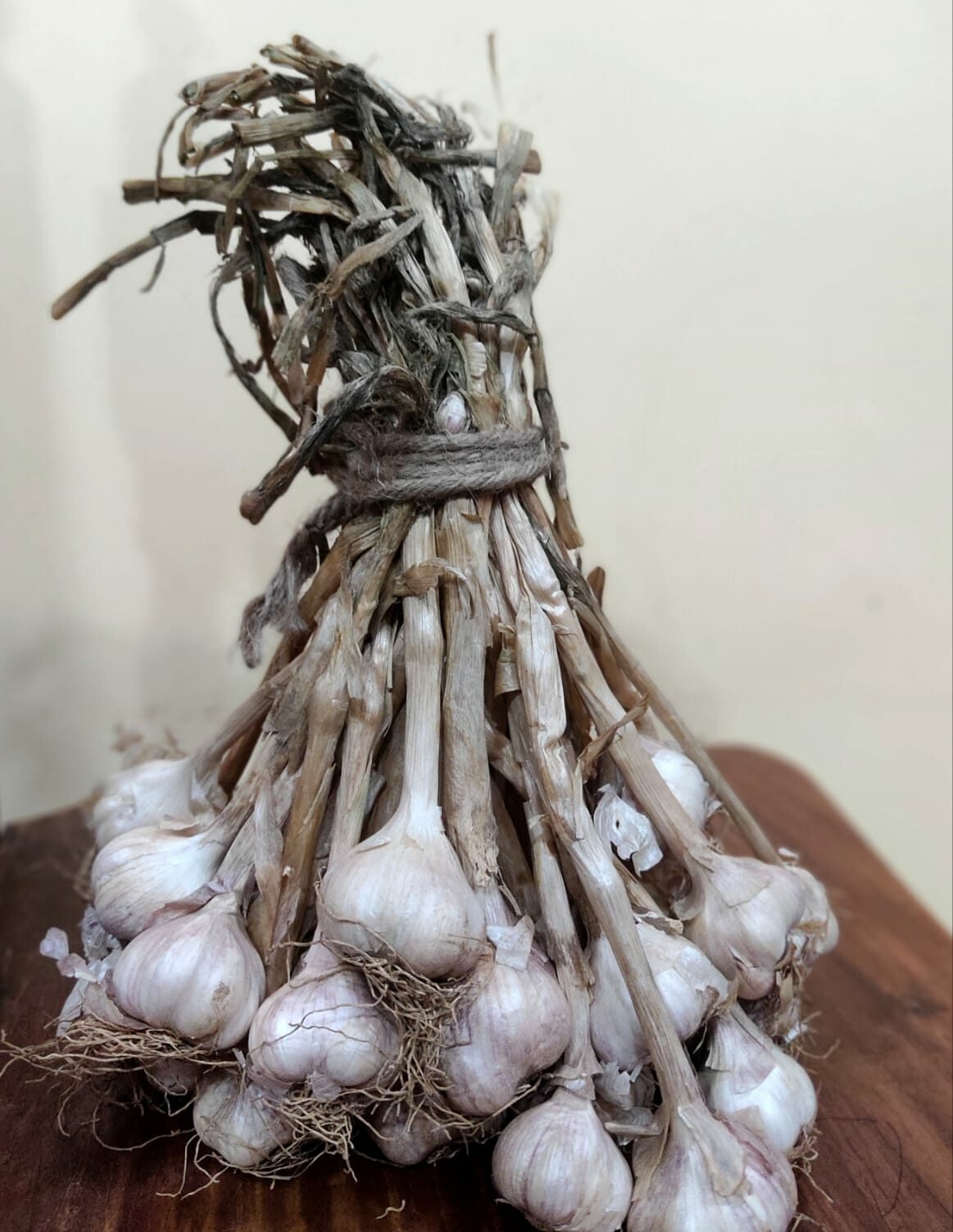
Kodai hill garlic
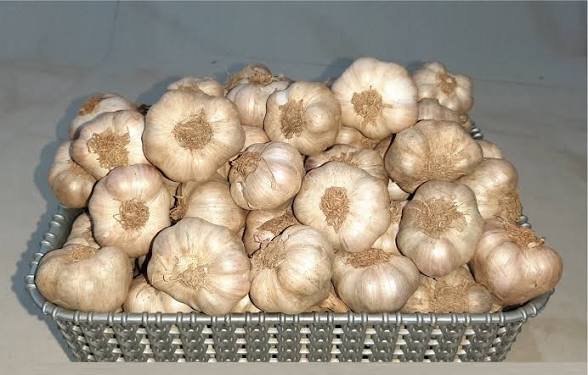
Kodaikanal Hill Garlic (known locally as Malai Poondu) is a prized, high-altitude garlic variety grown in the Western Ghats of Tamil Nadu. It was awarded an official Geographical Indication (GI) tag in July 2019.
Key Features
• Origin & Cultivation: Grown at high altitudes (6,000 to 7,000 feet) in regions like Kodaikanal, Mannavanur, Kavunji, and Poomparai. It is cultivated in cool temperatures (11°C to 20°C) across two seasonal crop cycles (September–October and April–May).
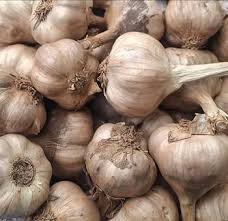
• Appearance: Features distinctive raindrop-shaped bulbs with white or pale yellow outer layers and dense inner structures.
• Flavor & Aroma: Possesses a much stronger, pungent aroma and a robust, spicy-sweet flavor profile compared to plain lowland garlic.
• Higher Bioactive Compounds: Slow maturation in mineral-rich mountain soil causes the plant to accumulate higher concentrations of allicin (the key active medicinal compound), organosulfur compounds, phenols, and flavonoids.
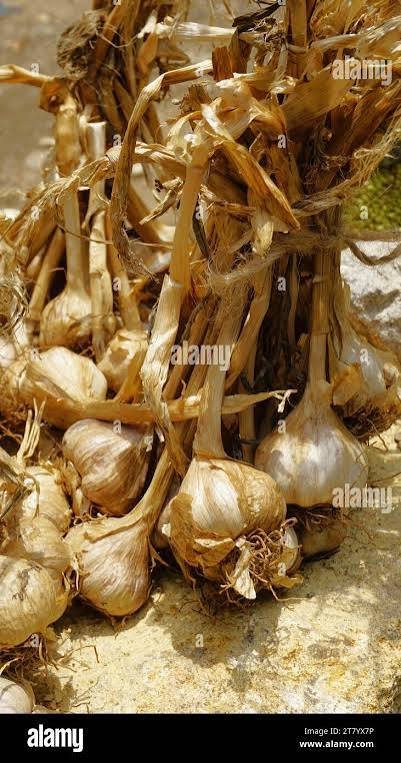
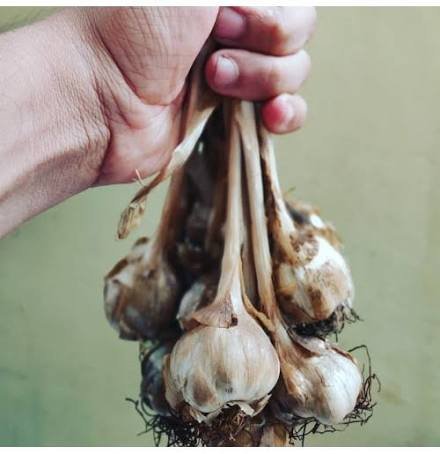
• Traditional Smoking & Shelf Life: Farmers often smoke the bulbs traditionally by hanging them from specially designed kitchen or attic roofs, which imparts a natural preservative quality and extends their shelf life up to 6–10 months without shriveling or sprouting.
• Medicinal & Culinary Uses: Widely used in traditional South Indian preparations like Poondu Laegiyum and Poondu Rasam, as well as pickles and chutneys, for its reputed cardiovascular, immune-boosting, and anti-inflammatory properties.
Why Choose Kunthi agro farms
2 Years of Experience
Kodai hill garlic
Kodai hill garlic
Overseas market
Interested in this business?
Send a direct inquiry to Kunthi agro farms
Gallery (5)
Frequently Asked Questions
Kodaikanal Hill Garlic is a distinct garlic variety grown at high altitudes (6,000–7,000 feet) in the Western Ghats around Kodaikanal, Tamil Nadu. It features small to medium raindrop-shaped bulbs known for their intense pungency, deep aroma, and potent health benefits.
Yes. It earned its official GI Tag in 2019. This certification protects its authentic identity, confirming that its unique quality stems directly from Kodaikanal's mountain soil, cool climate, and traditional farming techniques.
Higher Concentration of Allicin: Slow maturation in cooler hill climates produces significantly higher levels of organosulfur compounds like allicin, giving it a much stronger aroma and medicinal potency.
Long Shelf Life: Traditional smoke-curing under timber roofs allows authentic Kodai hill garlic to store for 8 to 11 months without sprouting or shriveling.
Intense Flavor: It's far more pungent than plain white garlic, so you need fewer cloves per recipe.
Boosts Immunity & Digestive Health: Contains rich antimicrobial and antioxidant properties that help combat seasonal infections, relieve gas, and improve gut function.
Supports Heart Health: Helps manage cholesterol levels and blood pressure.
Postpartum Recovery: Used in traditional South Indian remedies like Poondu Legiyam to restore strength, stimulate appetite, and support healing after childbirth
Keep it in an open, dry, and well-ventilated area at room temperature. Avoid plastic bags or refrigeration, as moisture triggers sprouting and spoils its natural oils.
Use it just like regular garlic, but adjust the quantity since its flavor is much stronger. It works great in:
Traditional Soups & Curries: Ideal for Poondu Rasam, spicy garlic chutneys, and rich curries.
Pickles: Its natural antibacterial power makes it perfect for long-lasting garlic pickles.
No. Both US (USDA-APHIS) and EU plant health authorities strictly prohibit soil attachments on imported root crops and bulbs. Bulbs must be cleaned, trimmed, and cured properly before packing.
Fresh garlic imports are governed by EU Plant Health Regulation (EU) 2019/2072 and food safety standards under Regulation (EC) No 396/2005 (Maximum Residue Limits for pesticides).
Yes. Fresh garlic imported into the EU is subject to a Tariff-Rate Quota (TRQ) system (managed under EU Regulations).
Shipments within the allocated tariff quota pay reduced or zero duty rates.
Out-of-quota shipments may incur additional specific customs duties (e.g., standard duties up to €1,200 per tonne). Importers in the EU must apply for import licenses through their respective national agricultural authorities.
Under EU Regulation (EU) 2023/915, fresh garlic must adhere to strict cadmium limits (maximum 0.05 mg/kg). Heavy metal testing reports from ISO/IEC 17025-accredited labs are standard requirements for clearance.
The GI tag (Kodaikanal Malai Poondu) establishes its premium origin in India. To market it as a registered GI product in Europe, the product name must be protected under bilateral GI recognition agreements or registered via the EU’s non-EU GI framework.
USDA-APHIS (Animal and Plant Health Inspection Service) handles agricultural quarantine and pest inspection at entry ports.
FDA Facility Registration: The processing/packing facility in India must be registered with the US FDA.
Prior Notice (PN): Every shipment requires a Prior Notice filing with the FDA before arrival at the US port of entry.
FSVP Compliance: The US importer must operate a Foreign Supplier Verification Program (FSVP) to verify that the supplier follows sanitary farming and handling practices.
Garlic shipments must comply with USDA import manuals. If inspection at the US port reveals live pests (e.g., mites or thrips), USDA-APHIS may require mandatory fumigation (e.g., Methyl Bromide treatment) at the importer's expense or re-export the shipment.
Ventilation: Garlic requires breathable mesh bags or perforated corrugated boxes to prevent moisture accumulation and molding.
Labelling: Bulk cartons/bags must clearly display:
Product Name & Variety (Fresh Kodaikanal Hill Garlic / Allium sativum)
Country of Origin: India
Lot/Batch Number & Net Weight (in Metric Units)
Name and address of Exporter and Importer/Distributor
Maintain ambient temperatures around 0°C to 2°C (32°F–36°F) with relative humidity between 65% and 70% during reefer container transit to maintain dormancy and prevent sprouting.
Kunthi agro farms
Fresh Vegetables5
Rating
1
Reviews
2024
Founded
Write a Review
Share your experience
Contact Information
Email
ku****l.com
Address
Kodaikanal, Tamil Nadu, India
Business Hours
- Sunday Closed
Location
Reviews (1)
out of 5
J
Jane cooper
2 weeks ago
They produce Organic Garlic, and the yield comes out with High Quality